
Prosthetic Liners vs Prosthetic Sleeves: What’s the Difference and Which One Do You Need?
Choosing the right prosthetic components can make a significant difference in comfort, stability, and everyday mobility. Intell Prosthetic understands that terms such as prosthetic liners and prosthetic sleeves can be confusing, especially for people who are new to prosthetic care. Although both are worn with a prosthetic socket, they serve different purposes. Understanding how they work can help you have a more informed conversation with your prosthetist and find a setup that suits your needs.
What Is a Prosthetic Liner?
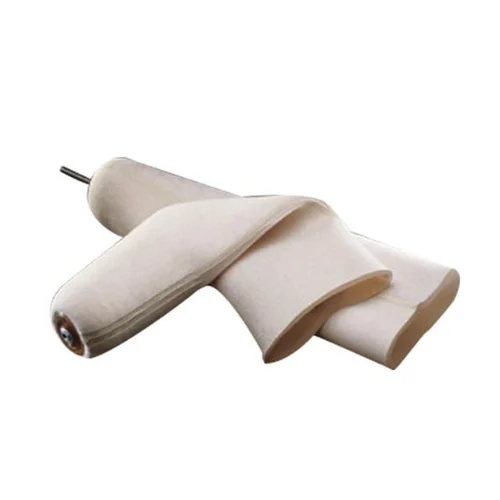
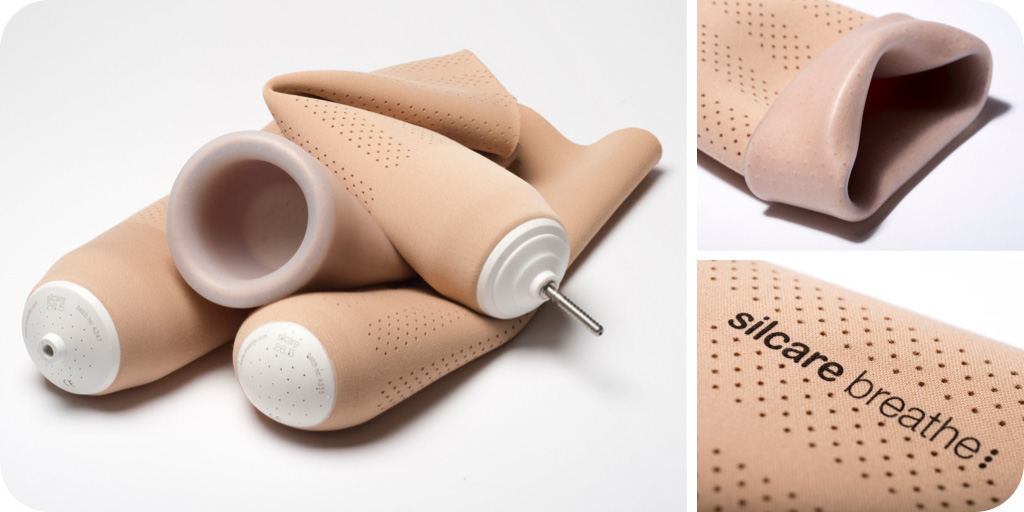
A prosthetic liner is a soft, flexible layer worn directly against the residual limb. It creates a protective barrier between the skin and the rigid prosthetic socket. Liners are commonly made from materials such as silicone, gel, or thermoplastic elastomer.
Key Benefits of Prosthetic Liners
- Cushion the residual limb inside the socket
- Help reduce friction and pressure
- Improve comfort during movement
- Provide a more secure interface with the socket
- Can support different suspension systems
The right liner should fit comfortably without excessive movement, bunching, or pressure. Your prosthetist can recommend the appropriate material, thickness, and size based on your limb shape, skin condition, activity level, and prosthetic system.
What Is a Prosthetic Sleeve?
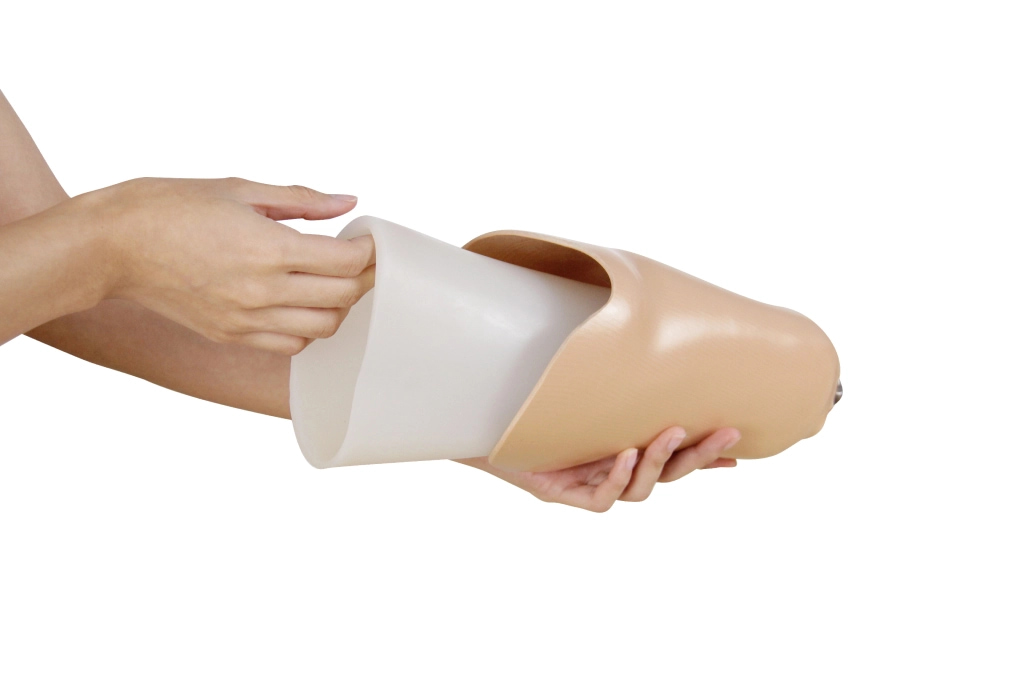
A prosthetic sleeve is an outer sleeve that typically extends from the residual limb over the upper edge of the prosthetic socket. Its main purpose is to help create a seal and improve prosthetic suspension.
Sleeves can be made from materials such as silicone, neoprene, or other flexible materials. Depending on the design, a sleeve may work with a suction or vacuum suspension system.
Key Benefits of Prosthetic Sleeves
- Help keep the prosthesis securely attached
- Support suspension between the limb and socket
- May help prevent unwanted socket movement
- Can work with suction or vacuum systems
- Provide an additional layer of protection around the socket edge
Prosthetic Liner vs Prosthetic Sleeve: What’s the Difference?
While both components can contribute to a comfortable prosthetic setup, their primary functions are different.
Feature | Prosthetic Liner | Prosthetic Sleeve |
Main purpose | Comfort and limb protection | Suspension and sealing |
Position | Directly against the residual limb | Usually over the socket and limb |
Common materials | Silicone, gel, elastomer | Silicone, neoprene, flexible materials |
Main benefit | Cushioning and skin protection | Helps maintain socket attachment |
Used with | Various socket and suspension systems | Suction, vacuum, and other systems |

Which One Do You Need?
The answer depends on your prosthetic design and individual needs. Some people may use a liner as part of their suspension system, while others may also need a sleeve. In certain prosthetic setups, a sleeve may be an important part of maintaining suction or vacuum.
Your prosthetist will consider factors such as:
- Residual limb shape and volume
- Skin sensitivity
- Activity level
- Socket design
- Suspension method
- Comfort and stability
- Sweating and climate
How to Choose the Right Prosthetic Liner or Sleeve
Focus on Proper Fit
A properly fitted component should feel secure without creating excessive pressure. Measurements and fitting should be performed according to the manufacturer’s guidelines and your prosthetist’s recommendations.
Consider Your Daily Activity
Someone who spends much of the day walking, exercising, or working on their feet may have different requirements from someone with a lower activity level. Discuss your routine with your prosthetist before selecting a component.
Pay Attention to Skin Health
Regularly inspect your residual limb for redness, blisters, irritation, or other changes. Keeping the liner or sleeve clean and following proper care instructions can also help maintain skin health.
Caring for Prosthetic Liners and Sleeves
Proper maintenance can help extend the life of your prosthetic components.
- Clean them according to the manufacturer’s instructions.
- Allow them to dry completely before use.
- Check regularly for tears, cracks, or worn areas.
- Avoid using harsh chemicals unless specifically recommended.
- Follow your prosthetist’s replacement schedule.
If a component suddenly becomes uncomfortable or stops fitting properly, have it checked rather than continuing to use it.
Conclusion
Prosthetic liners and prosthetic sleeves may look similar at first, but they perform different jobs. Prosthetic liners primarily provide cushioning, protection, and a comfortable interface with the socket, while prosthetic sleeves are mainly used to support suspension and create a seal around the prosthetic system. The right choice depends on your limb, socket, suspension method, activity level, and comfort requirements. For personalized guidance and suitable prosthetic solutions, Contact Us and speak with a qualified prosthetic professional.
Frequently Asked Questions
Yes, depending on the socket and suspension system. Some prostheses are designed to work without an external sleeve.
No. A liner is worn directly against the residual limb, while a sleeve generally fits over the socket to support suspension and sealing.
Replacement depends on wear, material, usage, and manufacturer recommendations. Your prosthetist can advise when replacement is appropriate.
They can in some cases, particularly when the fit, material, hygiene, or wearing routine is unsuitable. Persistent irritation should be discussed with your prosthetist.
Your prosthetist can assess your residual limb, socket, suspension system, lifestyle, and comfort needs to recommend the appropriate component.