
Prosthetic Leg Maintenance: A Daily Care Guide for Amputees in Hyderabad
Living with a prosthetic leg can make everyday activities easier and more independent. However, regular care is essential to keep your prosthesis comfortable, safe, and functional. Intellpo understands that proper prosthetic care is an important part of an amputee’s daily routine. Whether you use your prosthetic leg at home, at work, or while travelling around Hyderabad, simple maintenance habits can help prevent avoidable problems and extend the life of your prosthesis.This guide explains practical prosthetic leg maintenance steps that amputees in Hyderabad can follow every day. From cleaning the socket to checking components and caring for your residual limb, these habits can make prosthetic use more comfortable and reliable.
Why Is Prosthetic Leg Maintenance Important?
A prosthetic leg is made up of several components that work together. Regular inspection and cleaning can help identify minor issues before they become bigger problems.
Daily maintenance can help:
- Improve comfort while walking
- Reduce the risk of skin irritation
- Keep the socket clean and hygienic
- Identify loose or damaged components
- Support the proper functioning of the prosthesis
- Potentially extend the usable life of prosthetic components
Hyderabad’s warm climate can also make sweating a concern for many prosthetic users. Moisture around the residual limb and socket may contribute to discomfort and skin problems, making hygiene especially important.
Daily Prosthetic Leg Care Routine
1. Clean the Prosthetic Socket
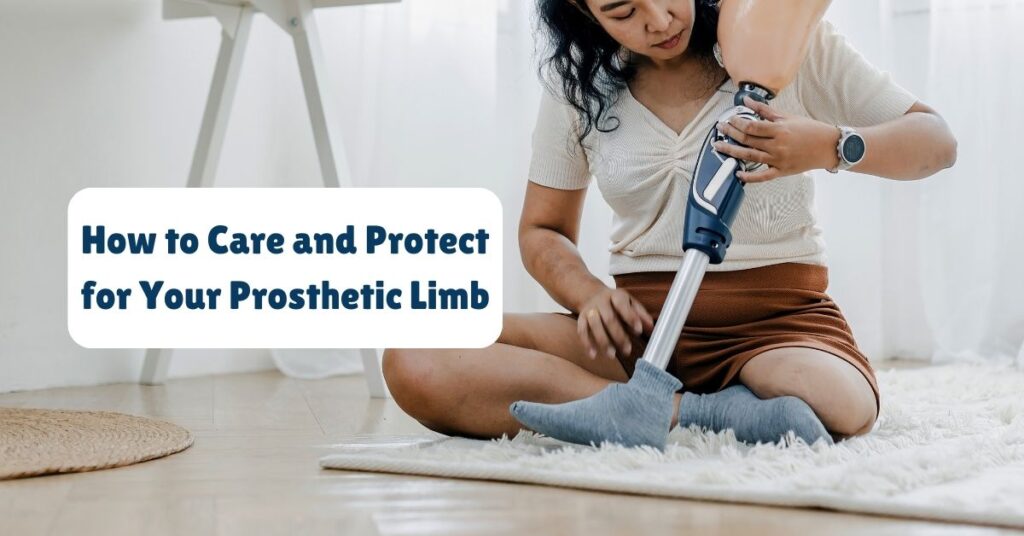
The socket comes into close contact with your residual limb, so keeping it clean is essential. Follow your prosthetist’s instructions regarding suitable cleaning products.In general, wipe the inside and outside of the socket with a clean, appropriate cloth and allow it to dry completely before use. Avoid using harsh chemicals unless your prosthetist specifically recommends them.
2. Check Your Prosthesis Before Use
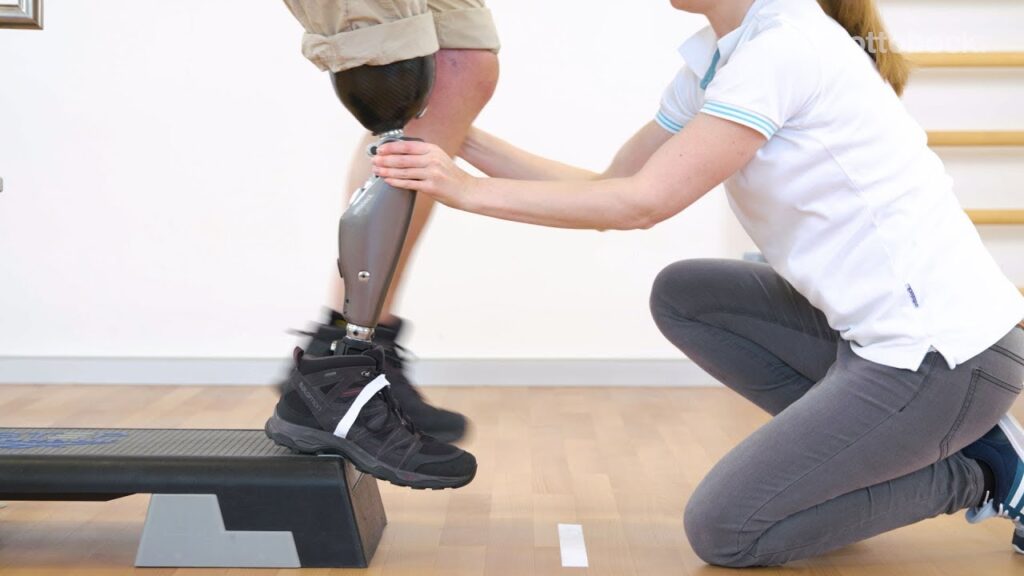
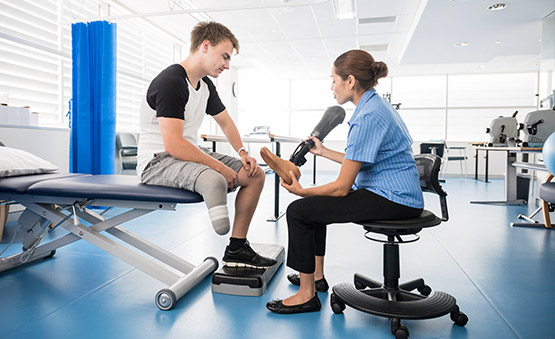
Spend a few minutes inspecting your prosthetic leg before putting it on. Look for anything unusual, including:
- Cracks or visible damage
- Loose screws or fittings
- Unusual noises
- Worn straps, liners, or covers
- Changes in alignment or movement
If something feels different from normal, do not ignore it. Contact your prosthetist for professional advice.
3. Take Care of Your Prosthetic Liner
If you use a liner, clean it according to the manufacturer’s instructions. A liner that is not cleaned regularly can accumulate sweat, dirt, and bacteria.Allow the liner to dry properly before wearing it again. Avoid exposing it to excessive heat, as high temperatures may damage certain liner materials.
4. Inspect Your Residual Limb
Prosthetic leg care is not limited to the device itself. Check your residual limb every day for redness, swelling, blisters, cuts, pressure marks, or other changes.Some mild redness may occur after wearing a prosthesis, but persistent redness or skin damage should be discussed with a healthcare professional or prosthetist. Do not continue using the prosthesis if doing so causes significant pain or worsening skin damage without seeking professional guidance.
Prosthetic Leg Maintenance in Hyderabad’s Climate
Hyderabad can experience hot and humid conditions, particularly during warmer months. Sweat can affect both comfort and hygiene.
To manage moisture:
- Keep your residual limb clean and dry.
- Carry an extra liner or prosthetic sock when appropriate.
- Avoid leaving the prosthesis in direct sunlight or excessive heat.
- Let removable components dry naturally when possible.
- Follow the manufacturer’s recommendations for moisture-sensitive components.
If excessive sweating repeatedly causes problems, speak with your prosthetist about suitable solutions rather than changing the prosthesis yourself.
Weekly and Regular Prosthetic Checks
Daily inspection should be supported by more detailed checks at regular intervals. Depending on your prosthesis and activity level, your prosthetist may recommend periodic servicing.
Things to Monitor
Pay attention to changes such as:
- Increasing discomfort
- Unusual clicking or squeaking
- Changes in walking pattern
- Socket becoming too tight or loose
- Damaged cosmetic covers
- Increased wear on joints or feet
Never attempt major repairs or adjustments at home unless you have been specifically trained to do so.

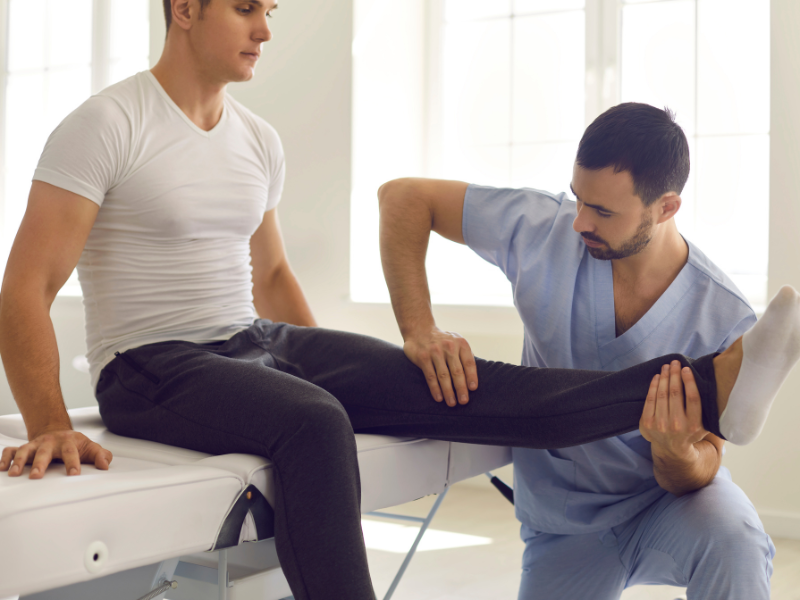
When Should You See a Prosthetist?
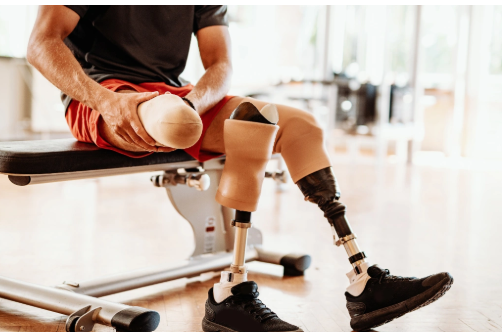
A professional evaluation is important when your prosthesis no longer feels or functions as expected. Contact your prosthetist if you experience persistent pain, repeated skin irritation, instability, component damage, or noticeable changes in fit.Regular professional maintenance can also help ensure that important components are inspected and adjusted when necessary.
Simple Tips for Longer Prosthesis Life
Proper handling can reduce unnecessary wear and tear. Store your prosthesis safely when it is not being used, keep it away from extreme temperatures, and follow the manufacturer’s care instructions.Most importantly, avoid modifying, drilling, tightening, or repairing structural components yourself. A small adjustment made incorrectly can affect alignment, comfort, and safety.
Conclusion
Good prosthetic leg maintenance does not have to be complicated. A few minutes of daily cleaning, inspection, and residual-limb care can help you use your prosthesis more comfortably and confidently. For amputees in Hyderabad, paying attention to sweat, hygiene, fit, and regular professional servicing can be particularly useful. If you notice discomfort or a change in how your prosthesis works, seek professional guidance instead of ignoring the problem. For personalised prosthetic care and support, Contact Us at Intellpo to learn more.
Frequently Asked Questions
Clean the socket, liner, and other washable components regularly, preferably as part of your daily routine, following the manufacturer’s care instructions.
Excessive moisture can affect comfort and may damage certain components over time. Keep your residual limb and prosthetic components as clean and dry as recommended.
Stop and assess the problem. Persistent or significant pain should be discussed with your prosthetist to check the fit, alignment, or condition of the prosthesis.
Avoid structural repairs or adjustments unless you have been properly trained to perform them. Incorrect adjustments can affect safety and walking ability.
The schedule depends on the prosthesis, activity level, and individual needs. Follow the maintenance schedule recommended by your prosthetist.