
How to Choose the Right Prosthetic Foot: A Complete Guide for Amputees
Choosing the right prosthetic foot can make a meaningful difference in comfort, stability, mobility, and everyday confidence. Intell Prosthetic understands that every amputee has different needs, activity levels, and goals. Whether you are taking your first steps with a prosthesis or looking for an improved solution, the right prosthetic foot should match your lifestyle—not simply the most advanced option available.
This guide explains the main types of prosthetic feet, the factors to consider, and how to work with a prosthetist to find an appropriate fit.
What Is a Prosthetic Foot?
A prosthetic foot is a component of a lower-limb prosthesis that helps support your body and enables movement. It can absorb some of the forces created while walking and help you transition smoothly from heel strike to toe-off.
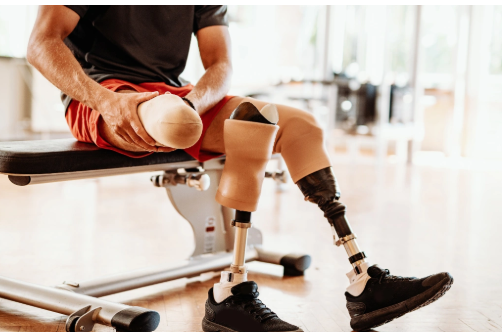
Modern prosthetic feet come in different designs and materials. Some are intended for basic daily walking, while others are designed for users who participate in sports or more demanding activities.

How a Prosthetist Helps You Choose
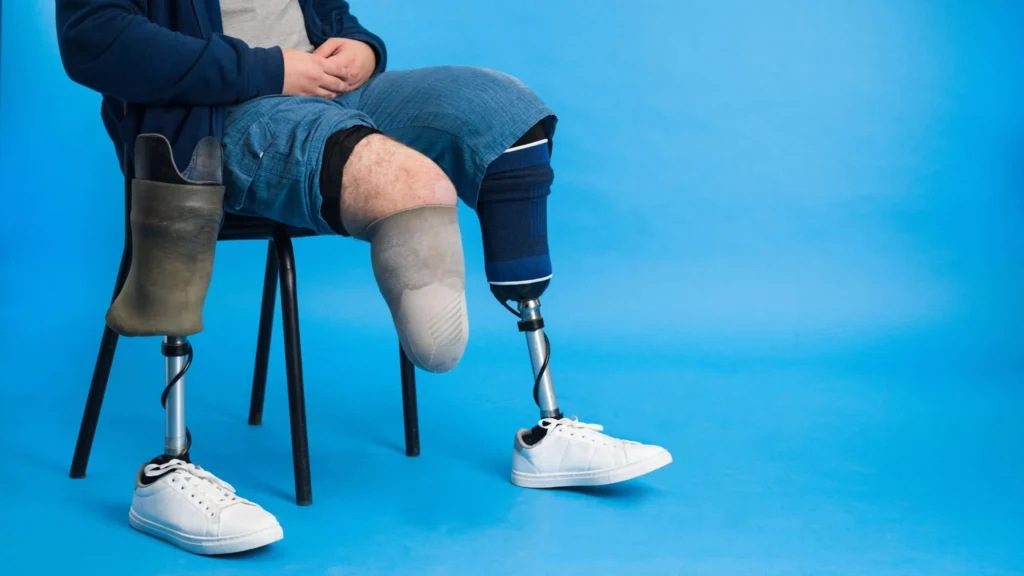
Selecting a prosthetic foot should be a collaborative process. A qualified prosthetist can assess your residual limb, strength, balance, walking ability, lifestyle, and personal goals.
During an assessment, be open about what you want to accomplish. For example, tell your prosthetist if you want to walk longer distances, return to work, exercise, or navigate uneven outdoor surfaces.
A trial or fitting process may also help determine whether a particular prosthetic foot provides the comfort and function you need.
Tips for Getting Used to a New Prosthetic Foot
A new prosthetic foot may require an adjustment period. Give your body time to become familiar with the new movement pattern.
- Follow your prosthetist’s instructions.
- Increase activity gradually.
- Check your residual limb regularly for irritation.
- Report persistent pain or pressure promptly.
- Attend recommended follow-up appointments.
- Keep the prosthesis clean and properly maintained.
Do not ignore ongoing discomfort. Small alignment or fitting adjustments can sometimes make a significant difference.
Factors to Consider When Choosing a Prosthetic Foot
There is no single prosthetic foot that works for everyone. Your prosthetist will consider several factors before recommending an option.
Activity Level
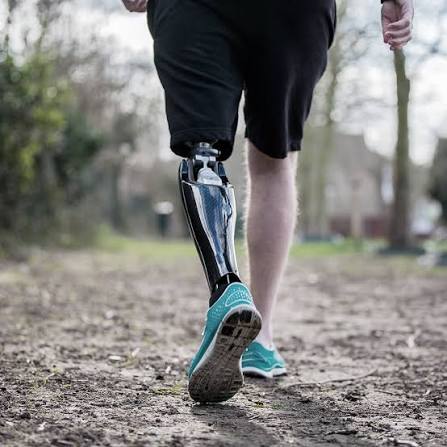
Think about how you normally move throughout the day. Do you mainly walk indoors, commute to work, exercise regularly, or participate in sports? Your activity level can help determine the appropriate foot design.
Walking Environment
Consider where you walk most often. A person who regularly walks on smooth indoor floors may have different requirements from someone who frequently walks outdoors, uses stairs, or encounters uneven ground.
Comfort and Fit
Comfort should be a major consideration. Even a technologically advanced prosthetic foot may not work well if the overall prosthesis is poorly fitted.Your prosthetist can evaluate:
- Socket fit
- Alignment
- Foot position
- Walking pattern
- Pressure and discomfort
- Overall stability
Weight and Durability
The prosthetic foot should be able to accommodate your body weight and expected activity. Durability is particularly important if you regularly place greater demands on your prosthesis.
Budget and Insurance Coverage
Prosthetic foot prices vary considerably depending on the design and technology. Discuss your budget, insurance coverage, maintenance requirements, and expected replacement schedule with your prosthetist before making a decision.
Conclusion
Choosing the right prosthetic foot is an individual decision that should be based on your mobility needs, lifestyle, comfort, environment, and long-term goals. Understanding the available options can help you have a more productive conversation with your prosthetist and make an informed choice.
If you are exploring prosthetic solutions or need guidance on finding an option suited to your needs, Contact Us to learn more about available prosthetic foot solutions and professional support.
Frequently Asked Questions
Your prosthetist will consider your activity level, walking environment, comfort, residual limb condition, goals, and budget before recommending a suitable option.
Not necessarily. The right prosthetic foot is the one that appropriately meets your functional needs, rather than simply having the most advanced technology.
Some prosthetic feet are designed specifically for athletic activities. Speak with your prosthetist about your sport and performance goals.
Adjustment time varies from person to person. Your prosthetist can recommend a gradual activity plan based on your individual situation.
Replacement depends on the foot’s condition, usage, manufacturer guidance, and your changing needs. Regular professional assessments can help determine when replacement is appropriate.