
How Long Does a Prosthetic Leg Last? Signs It’s Time for a New Artificial Limb
Losing a limb can bring significant changes to daily life, but a well-fitted prosthetic leg can help restore mobility, independence, and confidence. At INTELLPO, we understand that choosing and maintaining an artificial limb is an important part of this journey. One common question many users ask is: How long does a prosthetic leg last? The answer depends on several factors, including the type of prosthesis, activity level, body changes, and how well the device is maintained.
How Long Does a Prosthetic Leg Typically Last?
The lifespan of a prosthetic leg can vary from person to person. On average, many prosthetic components may last between 3 and 5 years, although some parts may need replacement sooner or last longer.
Different components experience different levels of wear and tear. For example, the socket may need adjustment or replacement when your residual limb changes shape, while mechanical or electronic components may have their own recommended service schedules.
Factors That Affect the Lifespan of an Artificial Limb
Several factors can influence how long a prosthetic leg lasts:
- Activity level: Frequent walking, running, or physical activity can cause faster wear.
- Body weight changes: Weight gain or loss can affect the fit of the socket.
- Changes in the residual limb: Muscle and tissue changes can make the prosthesis uncomfortable.
- Quality of components: High-quality materials may offer better durability.
- Maintenance: Regular inspections and professional servicing can extend the life of a prosthetic leg.
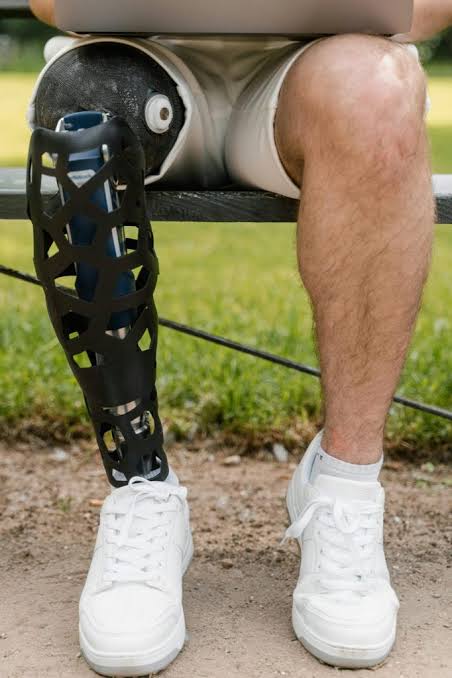

Signs It’s Time for a New Prosthetic Leg
A prosthetic leg should feel secure, comfortable, and supportive. If you notice changes in comfort or performance, it may be time for an adjustment or replacement.
1. Your Prosthetic Leg Feels Uncomfortable : Pain, pressure, rubbing, or frequent skin irritation may indicate that your socket no longer fits correctly. Your residual limb can change over time, affecting how comfortably the artificial limb fits.
2. You Notice Visible Damage : Cracks, loose parts, unusual noises, worn components, or other visible damage should never be ignored. Even minor damage can affect safety and performance.
3. Your Walking Pattern Has Changed : If walking suddenly becomes more difficult or you notice changes in your balance or gait, your prosthetic leg may require professional adjustment. A poorly functioning prosthesis can place extra strain on other parts of the body.
4. You Need Frequent Repairs : Occasional maintenance is normal. However, if your artificial limb requires repeated repairs, replacing older components or investing in a new prosthetic leg may be a more practical option.
5. Your Lifestyle Has Changed : Your prosthetic needs may change as your lifestyle changes. For example, someone who becomes more physically active may benefit from a prosthesis designed for greater movement and durability.
How to Make Your Prosthetic Leg Last Longer
Proper care can help improve the performance and lifespan of your prosthetic leg. Consider these simple maintenance tips:
- Clean the prosthesis regularly as recommended by your prosthetist.
- Check for cracks, loose screws, or unusual wear.
- Keep the socket and liners clean and dry.
- Attend regular prosthetic checkups.
- Report discomfort or changes in fit early.
- Avoid attempting complex repairs yourself.
Regular professional care is important because small issues can often be addressed before they become major problems.
When Should You See a Prosthetic Specialist?
You should contact a prosthetic specialist if you experience persistent discomfort, skin problems, instability, changes in mobility, or damage to your device. Regular evaluations can help ensure that your prosthetic leg continues to match your physical needs and lifestyle. A specialist can assess whether you need a simple adjustment, a replacement component, or a completely new artificial limb.

Conclusion
A prosthetic leg can provide valuable support and mobility, but it will eventually require adjustments, repairs, or replacement. Paying attention to signs such as discomfort, damage, poor fit, and changes in mobility can help you take action at the right time. With proper care and regular professional support, you can get the best possible performance from your artificial limb. If you have questions about prosthetic care or replacement options, Contact Us today for professional guidance.
Frequently Asked Questions
A prosthetic leg may last around 3 to 5 years on average, but the lifespan depends on the components, activity level, fit, and maintenance.
Discomfort, poor fit, visible damage, changes in walking, and frequent repairs can indicate that replacement or adjustment is needed.
Yes, many components can be repaired or replaced. A prosthetic specialist can determine whether repair or replacement is the best option.
Yes. Significant weight changes can affect the fit and comfort of the socket and may require adjustments.
Regular checkups are recommended, especially if you notice discomfort, changes in fit, or problems with performance.