
Returning to Sports After an Injury: How Sports Injury Bracing Supports Safe Recovery
Getting back to sports after an injury can be exciting, but returning too quickly may put you at risk of another setback. Intell Prosthetic understands that recovery is not just about reducing pain; it is also about rebuilding strength, stability, confidence, and proper movement. This is where sports injury bracing can play an important role. The right brace can support an injured area during activity while you gradually return to your normal routine.
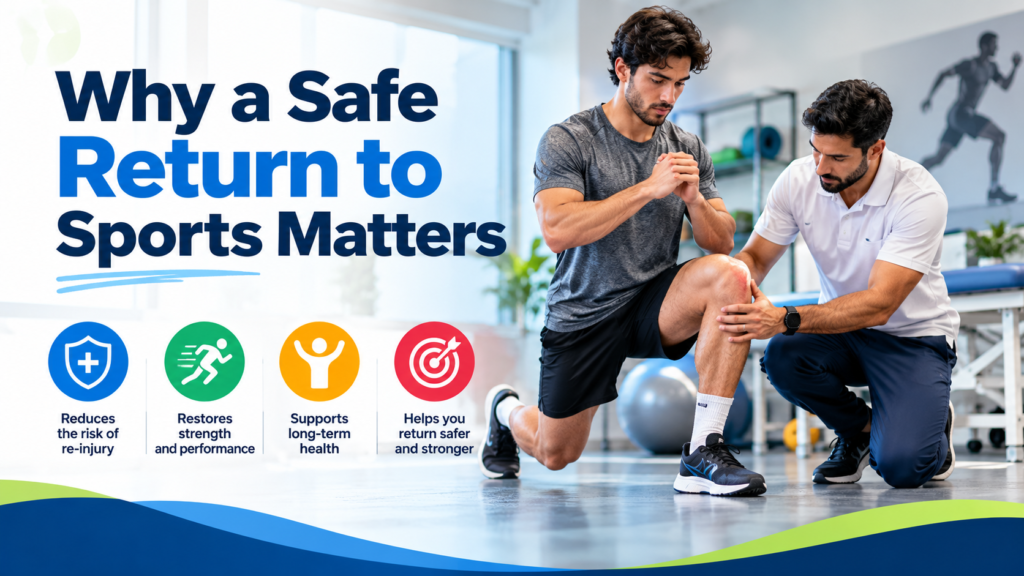
Why a Safe Return to Sports Matters
After an injury, muscles, ligaments, joints, and other tissues may need time to recover. Even when pain has improved, the affected area may not have regained its full strength or stability. Returning to intense activity too soon can increase stress on the recovering body.
A gradual return allows you to increase activity as your body becomes stronger. Depending on the injury, a healthcare professional may recommend exercises, physical therapy, rest, or a sports injury brace as part of the recovery plan.
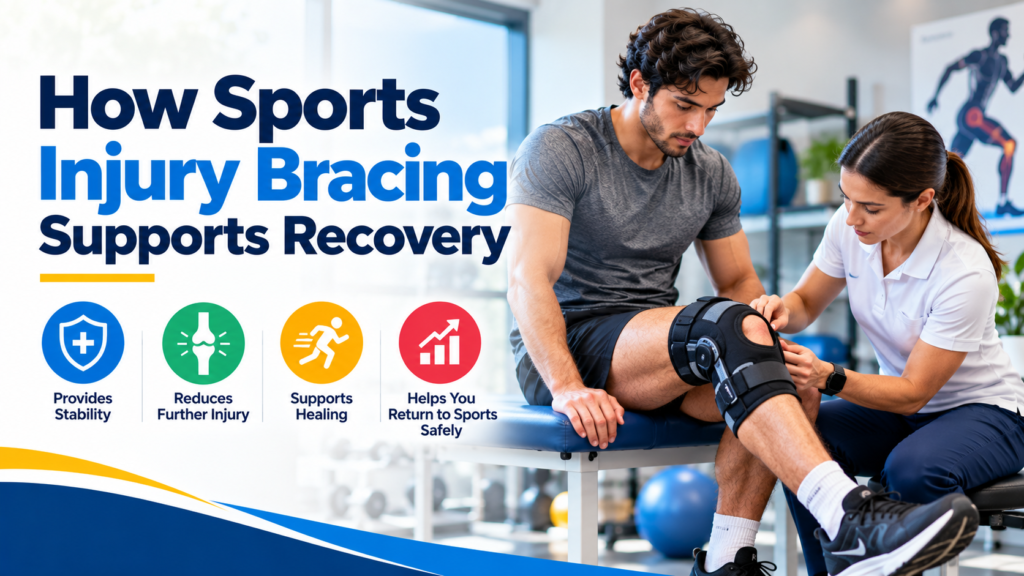
How Sports Injury Bracing Supports Recovery
A sports injury brace is designed to provide targeted support to an injured or vulnerable body part. Different braces offer different levels of compression, stability, and movement control.
Key Benefits of Sports Injury Braces
- Added stability: Braces can help support joints during movement and physical activity.
- Controlled movement: Certain braces can limit unwanted movement while allowing necessary motion.
- Compression: Compression may help provide support and a secure feeling around the affected area.
- Confidence during activity: Knowing that an injured area has additional support may help athletes feel more comfortable during rehabilitation.
- Protection during recovery: A properly selected brace can provide extra support while the body gradually returns to sports.
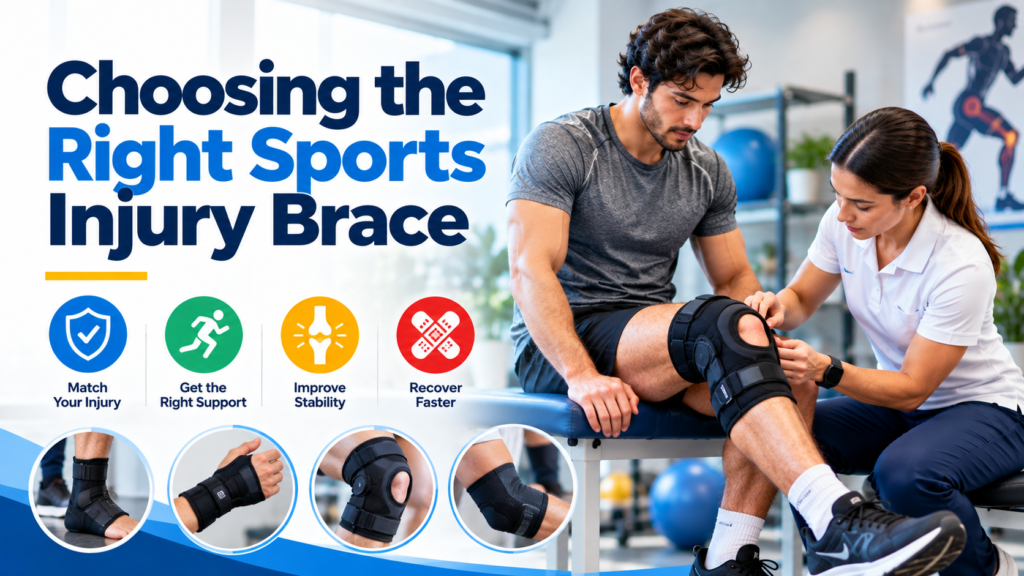
Choosing the Right Sports Injury Brace
Not every injury requires the same type of brace. A knee injury, ankle sprain, wrist problem, or ligament injury may require a completely different support solution.
When choosing a sports injury brace, consider:
Type and Location of the Injury
The brace should match the affected body part and the type of support required. Using the wrong brace may provide little benefit or unnecessarily restrict movement.
Level of Support
Some braces provide light compression, while others offer stronger stabilization. The appropriate level depends on your injury, activity, and recovery stage.
Comfort and Fit
A brace should fit securely without causing excessive pressure, numbness, irritation, or discomfort. Proper sizing is important for both comfort and effective support.
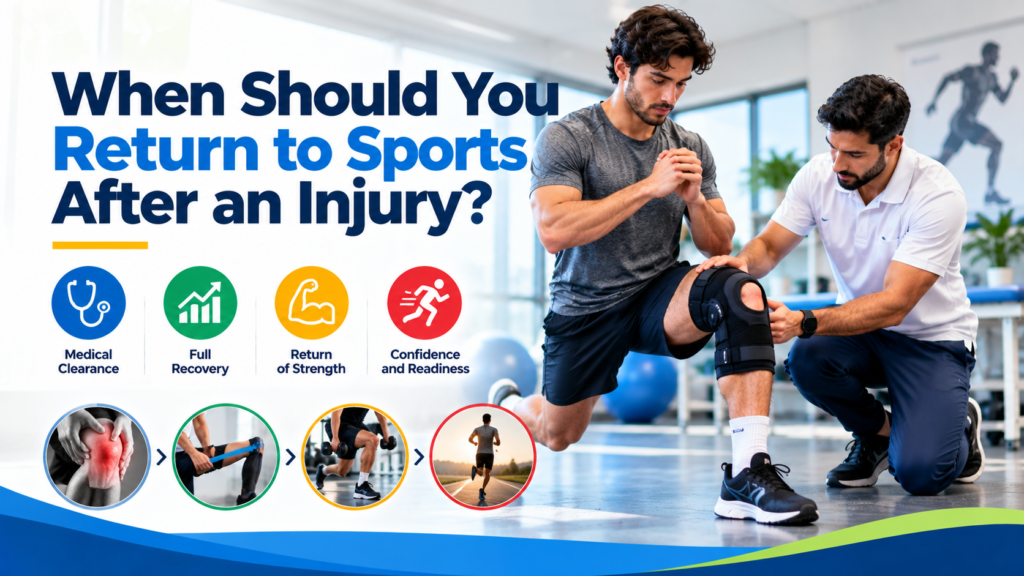
When Should You Return to Sports After an Injury?
There is no single timeline that applies to every injury. Your return should depend on the type and severity of the injury, your recovery progress, and professional medical advice.
Before returning to full activity, you should generally be able to:
- Move the affected area comfortably.
- Perform sport-specific movements with good control.
- Demonstrate adequate strength and stability.
- Complete rehabilitation exercises without significant pain.
- Gradually tolerate increased training demands.
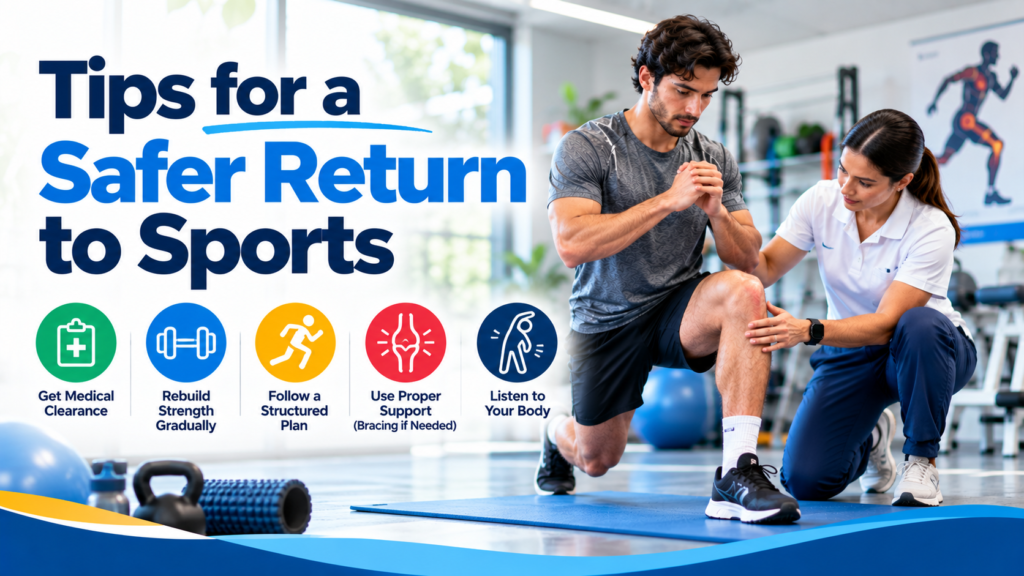
Tips for a Safer Return to Sports
A few practical steps can make your return more controlled:
- Follow your rehabilitation plan: Complete recommended strengthening and mobility exercises.
- Increase activity gradually: Avoid immediately returning to your previous training intensity.
- Use sports injury bracing when recommended: A suitable brace can provide additional support during specific activities.
- Warm up properly: Prepare your muscles and joints before exercise.
- Listen to your body: Persistent or worsening pain should not be ignored.
- Maintain proper technique: Good movement patterns can reduce unnecessary stress on recovering areas.
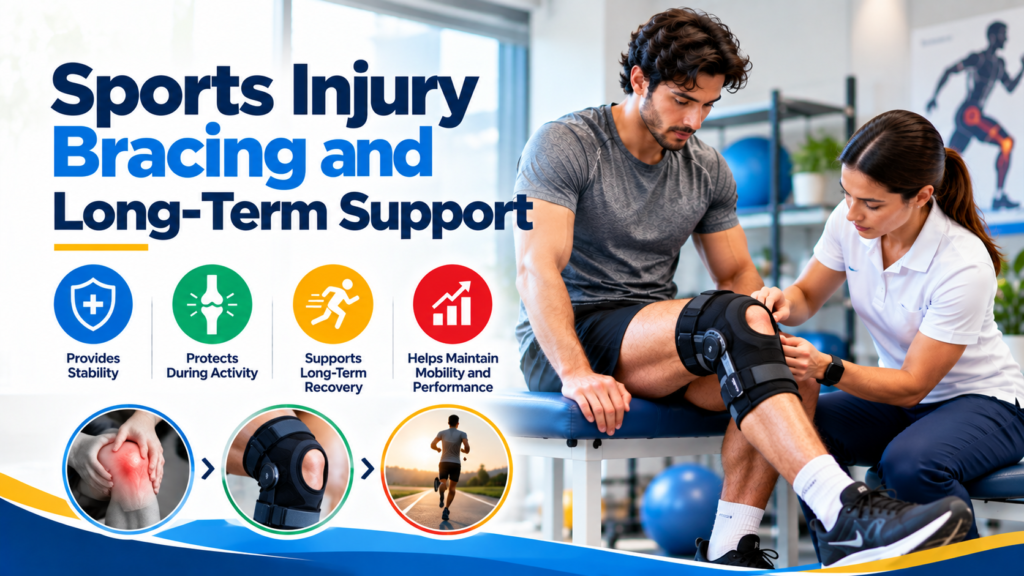
Sports Injury Bracing and Long-Term Support
The goal of sports injury bracing is not simply to help you return to the field or gym faster. Proper support can be part of a broader strategy for controlled movement and confidence during recovery.
A brace may also be useful during certain activities after recovery, particularly when recommended by a healthcare professional.
The key is choosing a support solution based on your individual needs rather than relying on a one-size-fits-all approach.
Conclusion
Returning to sports after an injury should be a gradual and informed process. Sports injury bracing can provide useful support, stability, and confidence when incorporated into an appropriate recovery plan. The right brace, combined with rehabilitation and professional guidance, can help you work toward a safer return to the activities you enjoy. For personalized guidance on prosthetic and supportive solutions, Contact Us and explore the available options for your needs.
Frequently Asked Questions
Sports injury bracing involves using specially designed braces to support injured or vulnerable joints and body parts during recovery or physical activity.
In some cases, yes. However, the type of activity and brace should be appropriate for your injury and recovery stage. Follow professional advice.
A brace does not directly heal an injury. It can provide support and help control movement while the body recovers through appropriate treatment and rehabilitation.
The right brace depends on your injury, body part, activity, and required level of support. A qualified professional can help you select the appropriate option.
A brace may provide additional stability during certain activities, but it cannot guarantee injury prevention. Strength, conditioning, technique, and proper rehabilitation remain important.