
Life After Amputation: A Step-by-Step Guide to Regaining Independence and Confidence
INTELL understands that life after amputation can bring major physical, emotional, and practical changes. Whether the amputation was planned or unexpected, adjusting to a new routine takes time. The good news is that rehabilitation, proper prosthetic care, emotional support, and a positive approach can help you regain independence and confidence. This guide explains the key steps that can make the transition smoother and more manageable.
Understanding Life After Amputation
Amputation does not mean giving up your independence. It means learning new ways to perform everyday activities and adapting to changes in mobility. Recovery is different for everyone and may depend on the type of amputation, overall health, healing progress, and personal goals.
During the early stages, it is normal to experience frustration, tiredness, uncertainty, or changes in body image. Giving yourself time to adjust is an important part of recovery.
Step 1: Focus on Physical Healing
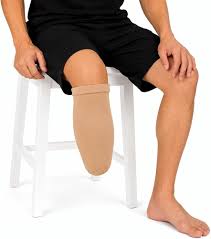
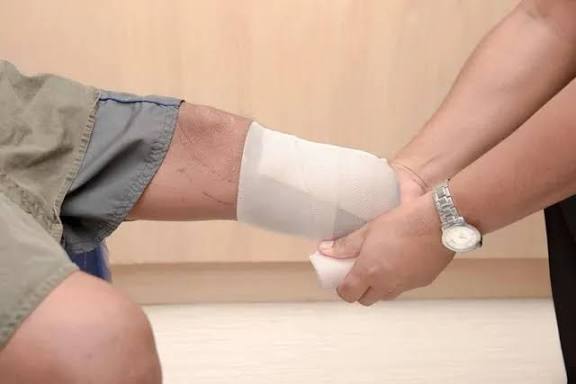
The first priority after amputation is allowing the surgical site to heal properly. Your healthcare team may provide instructions for wound care, pain management, swelling control, and positioning.
Follow your medical team’s advice carefully and attend scheduled follow-up appointments. Avoid putting unnecessary pressure on the residual limb until you have been advised that it is safe.
Important Areas of Early Recovery
- Keep the surgical area clean as instructed.
- Take prescribed medications correctly.
- Monitor for unusual swelling, redness, discharge, or increasing pain.
- Follow recommendations for managing the residual limb.
- Attend all follow-up appointments.
Step 2: Start Amputation Rehabilitation
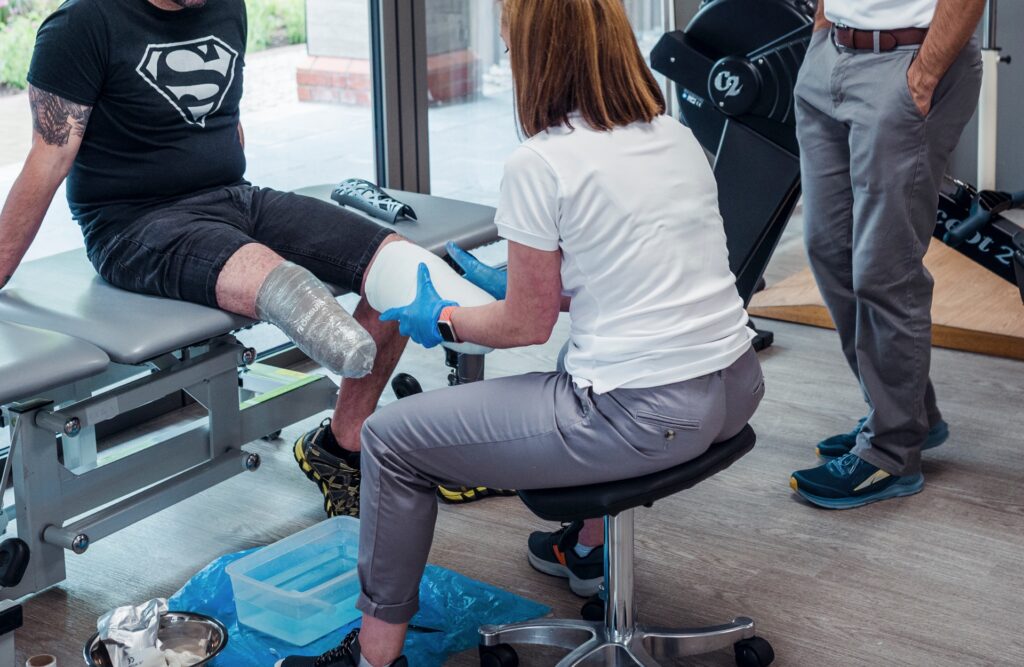
Rehabilitation is a major part of life after amputation. A physical therapist can help improve strength, balance, flexibility, and coordination. Occupational therapy may also help you learn safer and easier ways to manage daily activities. Your rehabilitation program may include:
- Strength and flexibility exercises
- Balance and mobility training
- Transfer techniques
- Gait training
- Daily activity practice
- Education about fall prevention
Progress may seem slow at first, but consistent rehabilitation can help build physical ability and confidence.
Step 3: Explore Prosthetic Options
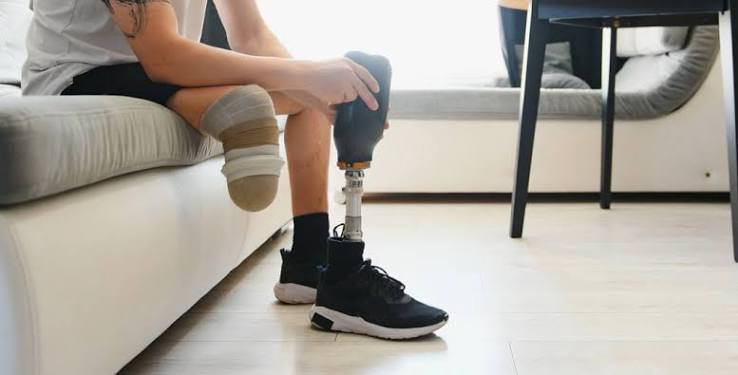
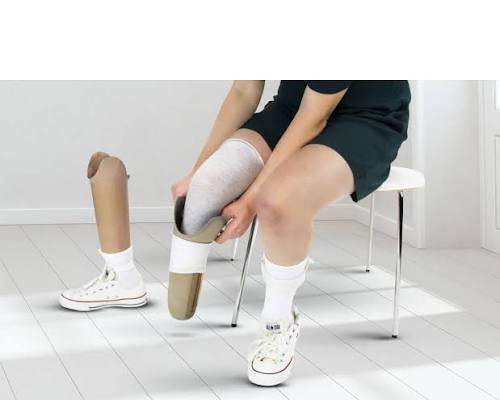
A prosthetic limb may help some people improve mobility and perform specific activities. However, choosing and using a prosthesis is a personal process.A prosthetist can assess your needs, lifestyle, comfort, and functional goals before recommending an appropriate option. Proper fitting is important because an uncomfortable prosthesis can make walking and daily activities more difficult.
Getting Comfortable With a Prosthesis
Learning to use a prosthetic limb takes practice. Start with the activities recommended by your rehabilitation team and gradually increase your use as your body adapts.
Pay attention to:
- Comfort and fit
- Skin condition
- Changes in swelling
- Balance and walking technique
- Proper cleaning and maintenance
If you notice persistent pain, skin irritation, or difficulty using the prosthesis, speak with your prosthetist or healthcare professional.
Step 4: Regain Independence in Daily Life
Independence often returns one small achievement at a time. You may initially need assistance with tasks such as bathing, dressing, cooking, or moving around your home.Occupational therapists can recommend adaptive techniques and equipment that make everyday activities easier. Consider practical changes such as:
- Installing grab bars where needed
- Improving lighting and removing trip hazards
- Rearranging frequently used items
- Using suitable mobility aids
- Creating an accessible bathroom and living space
Step 5: Build Emotional Confidence
Physical recovery is only one part of the journey. Emotional adjustment is equally important. Changes in appearance, mobility, work, or social activities can affect self-confidence. Talking with a counselor, support group, family member, or another person who has experienced amputation can provide valuable emotional support.Remember that confidence does not have to return all at once. Setting realistic goals and celebrating small improvements can help you recognize your progress.
Step 6: Return to Work and Social Activities
Returning to work, hobbies, travel, or social activities can restore a sense of routine and purpose. Your timeline will depend on your recovery and the demands of the activity.Discuss your goals with your rehabilitation team so they can help you develop a practical plan. Workplace modifications, mobility training, or adaptive equipment may make returning to work easier.
Step 7: Maintain Long-Term Limb and Overall Health
Life after amputation requires ongoing care. Maintaining a healthy weight, staying active within your abilities, checking your residual limb, and caring for your remaining limb can support long-term mobility.Regular professional assessments are also useful because your needs may change over time.
Conclusion
Life after amputation is a journey of adjustment, learning, and rebuilding. With appropriate rehabilitation, prosthetic support, emotional care, and practical adaptations, many people can develop greater independence and confidence. Focus on achievable goals, give yourself time, and seek professional guidance whenever challenges arise. If you or your family need guidance about mobility and prosthetic solutions, Contact Us to learn more about available support and services.
Frequently Asked Questions
Recovery varies from person to person. Healing, rehabilitation, prosthetic training, and emotional adjustment can take weeks or months.
Many people learn to walk with a prosthesis, but results depend on factors such as amputation level, strength, balance, healing, and rehabilitation.
Rehabilitation is highly valuable because it can improve strength, balance, mobility, and independence while helping you learn new movement strategies.
Set realistic goals, stay active within professional guidance, connect with supportive people, and recognize your progress over time.
Contact your healthcare professional if you experience persistent pain, significant swelling, skin breakdown, redness, discharge, or other concerning changes.