
Below-Knee Prosthetic Leg: What to Expect During Your First Fitting in Hyderabad
Losing a lower limb can bring many physical and emotional changes, but the right prosthetic support can help you regain confidence and independence. At INTELL, we understand that your first below-knee prosthetic leg fitting is an important step in your rehabilitation journey. If you are preparing for a first fitting in Hyderabad, knowing what to expect can help you feel more comfortable and confident.
Understanding a Below-Knee Prosthetic Leg
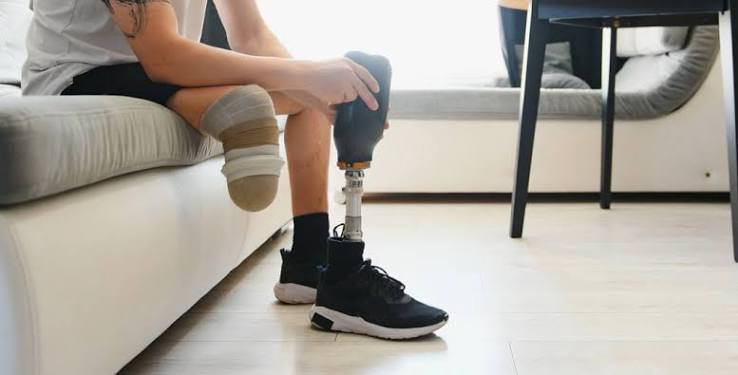
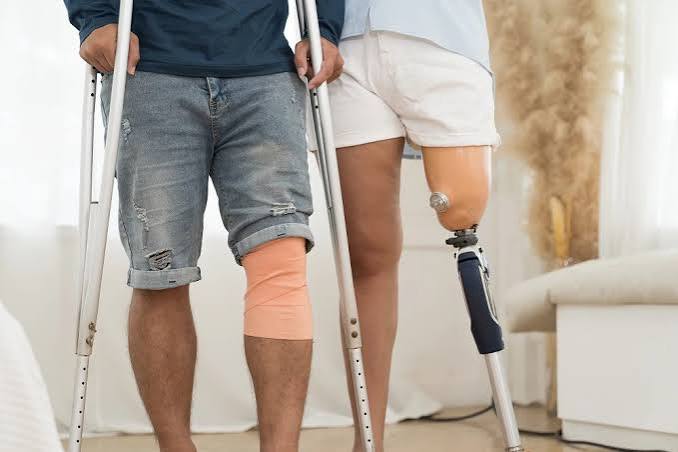
A below-knee prosthetic leg, also known as a transtibial prosthesis, is designed for individuals who have had an amputation below the knee. Because the knee joint is preserved, many users can achieve a natural and efficient walking pattern with the right prosthetic fit and training.
Every prosthetic leg is customized based on factors such as:
- Residual limb shape and size
- Activity level and lifestyle
- Body weight and height
- Comfort requirements
- Walking goals
- Overall physical condition
A properly fitted prosthesis is essential for comfort, stability, mobility, and long-term use.
Preparing for Your First Prosthetic Fitting
Before your first below-knee prosthetic fitting in Hyderabad, your prosthetist will usually assess your residual limb and discuss your individual needs. The fitting process is not just about attaching a prosthetic leg—it is about finding a solution that works comfortably with your body and daily routine.
You may be asked about your lifestyle, work, hobbies, mobility goals, and any discomfort you experience. Being open about your expectations helps the prosthetic team recommend the most suitable components and design.
What You Should Bring
Depending on your appointment, it may be helpful to bring:
- Comfortable clothing
- Medical records, if requested
- Your current mobility aids
- A family member or caregiver for support
- A list of questions or concerns
What Happens During the First Fitting?
Your first prosthetic fitting is usually a detailed and personalized process. The prosthetist will carefully check the fit, alignment, and comfort of your below-knee prosthetic leg.
1. Residual Limb Assessment
The prosthetist will examine your residual limb for swelling, skin condition, sensitivity, and changes in shape. These factors are important because the socket must fit securely without causing unnecessary pressure or discomfort.
2. Socket Fitting
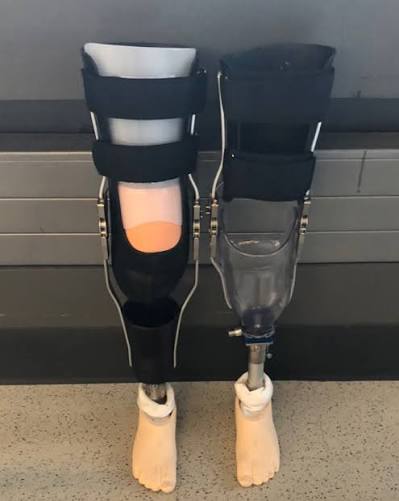
The socket is one of the most important parts of a below-knee prosthetic leg. It connects your residual limb to the prosthesis.
During the fitting, the prosthetist will check whether the socket:
- Fits comfortably
- Provides proper support
- Avoids painful pressure points
- Allows good control of the prosthesis
Small adjustments may be needed to achieve the best possible fit.
How Should a Below-Knee Prosthetic Leg Feel?
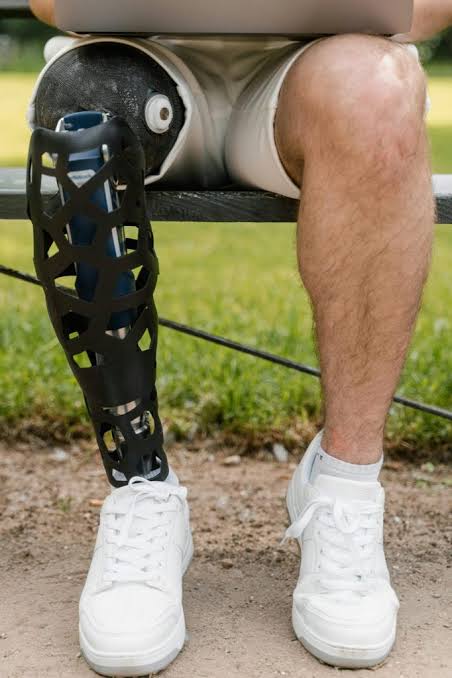
A well-fitted prosthesis should feel secure and supportive. However, it is normal to need several adjustments, especially during the early stages.
You should inform your prosthetist if you experience:
- Persistent pain
- Skin irritation or redness
- Excessive pressure
- Looseness or slipping
- Difficulty maintaining balance
Regular follow-up appointments are important because your residual limb may change in size or shape over time.
Tips for a Successful First Fitting in Hyderabad
Here are a few simple ways to prepare for your appointment:
- Stay relaxed and patient during the fitting process.
- Clearly explain any discomfort you feel.
- Ask questions about using and caring for your prosthesis.
- Follow the recommended rehabilitation exercises.
- Attend follow-up appointments as advised.
- Avoid comparing your progress with others.
Your prosthetic journey is personal, and progress can vary from one individual to another.
Why Professional Prosthetic Fitting Matters
A professionally designed and fitted below-knee prosthetic leg can make a significant difference in everyday mobility and comfort. Proper fitting helps reduce discomfort and supports better movement during daily activities.
Choosing experienced prosthetic care in Hyderabad also gives you access to guidance, adjustments, and ongoing support as your needs change. The goal is not simply to provide a prosthetic device but to help you move with greater comfort and confidence.
Conclusion
Your first fitting for a below-knee prosthetic leg is the beginning of a new stage toward improved mobility and independence. With proper fitting, regular adjustments, rehabilitation, and professional guidance, you can gradually become more comfortable using your prosthesis.If you are looking for personalized prosthetic care and support in Hyderabad, Contact Us to learn more about finding a solution suited to your individual needs.
Frequently Asked Questions
The duration can vary depending on your individual needs and the type of prosthesis. Your prosthetist will take time to assess comfort and fit properly.
The fitting itself should not be painful. Some mild pressure or adjustment may be felt, but persistent pain should always be reported.
This depends on your healing, strength, balance, and rehabilitation progress. Your healthcare team can guide you through the process safely.
Yes. Adjustments are often needed because the residual limb can change in size and shape over time.
The right prosthesis depends on your body, lifestyle, activity level, and mobility goals. A qualified prosthetist can recommend the most suitable option.